About Joleen
I Build Things That Connect People.
I always have. It took me a while to realize that facilitation wasn't a career I chose, it was something I'd always been doing. I just finally gave it a name.
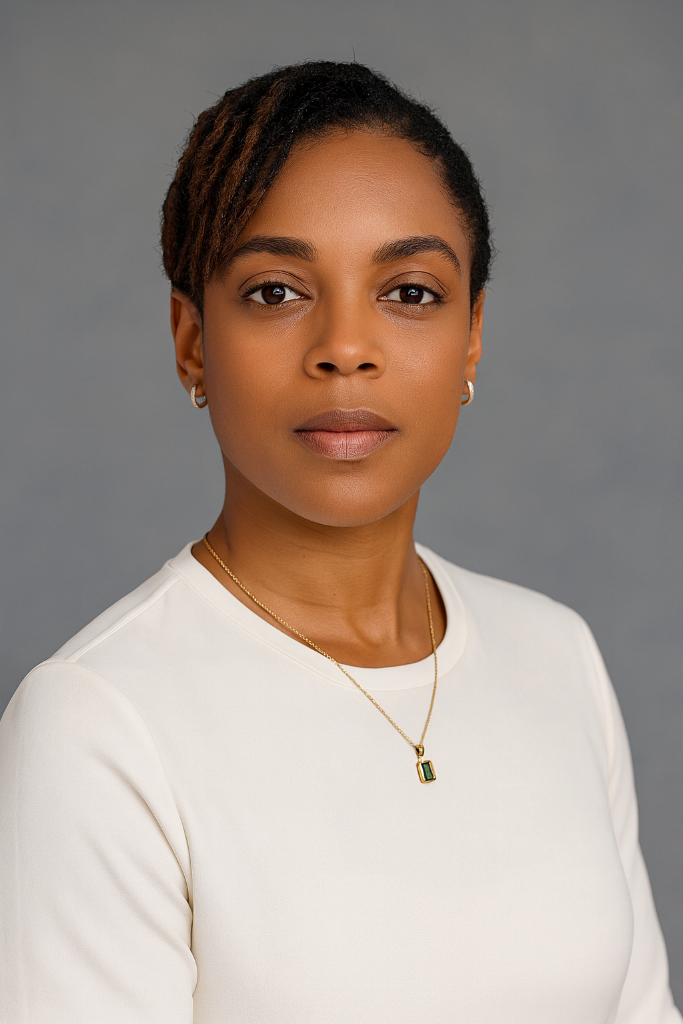
My Story
Every Workshop Is Work I Did on Myself First.
I spent a long time thinking I was fine. Some days I was. Other days I wasn't, and I didn't have language for the gap between those two places. I had experienced harm that shaped how I moved through the world, and for years I carried it the way a lot of women do: quietly, and convinced that one day I would arrive somewhere and it would stop mattering.
In my thirties, I took that harm to court. I won. And I remember the moment I realized that winning didn't give me what I thought it would. The closure I had been waiting for wasn't in the verdict. The people around me, the ones I had held onto through everything, were causing more pain the longer I stayed. There was no external resolution coming. I was going to have to find my own way through.
"The frameworks I teach aren't borrowed from a textbook. They're what I built when I realized no one was coming to give me the ending I needed."
So I started building. Tools for understanding why I responded the way I did. Frameworks for letting go of relationships that weren't safe. Ways of thinking that helped me see clearly when everything felt muddy. I didn't know I was building workshops. I was just trying to get myself somewhere better.
What I didn't expect was how many women around me were navigating the same terrain, and how naturally I moved toward them. I had always been the person people called. Always been the one in conversations that somehow turned into something more. I didn't become a facilitator. I just finally acknowledged that I had always been one.
How I think
I've Always Thought in Reverse.
Before I ask "what's possible," I ask "what happens if nothing changes." Before I look for solutions, I map the cost of staying still. This is a way of thinking used across medicine, engineering, and strategy, called inversion. You start from the worst outcome and work backwards to what needs to be true to avoid it.
I've thought this way my entire life. It's not a technique I learned, it's how my mind works. And it turns out it's exactly the right lens for this work. When you can see clearly what staying the same costs you, moving forward stops being scary and starts being necessary.
Every framework I've built starts from this place. Not "here's what growth looks like", but "here's what it actually costs you to stay where you are." That's where women start moving.
Most approaches ask
"What do you want your life to look like?" — and wait for you to imagine something you've never had permission to want.
I ask instead
"What does it actually cost you to stay exactly where you are?" — and let the answer do the work that motivation alone never could.
Why this works
When the cost of staying is real and named, moving forward isn't a leap of faith. It's the only logical next step.
How I got here
From Figuring It Out to Helping Others Do the Same
This wasn't a straight line. Most things worth building aren't.
Building frameworks for myself
Long before I was a facilitator, I was a woman figuring out how to get from where I was to somewhere better. Every tool I teach was built in that space, tested on my own life first, under real pressure, in real moments.
Realizing I had always been doing this
People around me had been coming to me for years, for conversations that turned out to be more than conversations. When I finally looked back, I realized I hadn't been making friends who needed help. I had been facilitating all along.
Getting certified, formalizing what was already real
I pursued my certification as a Professional Life Coach through Transformation Academy not to learn how to coach, but to put a formal foundation under something I was already doing. The credential confirmed what the work already showed.
Taking it into organizations
Partnering with organizations like Women's Support Network of York Region to bring these workshops to women who needed them, and watching participants seek me out afterward to keep going. That's when I knew this was the work.
Building The Global Center for Facilitation
A home for this work. Workshops, 1:1 coaching, resources, and partnerships, all built around the same core belief: that every woman already has what she needs. She just needs frameworks that don't collapse when real life shows up.
Credentials & Training
The Formal Foundation
The credential came after the work was already happening. But it matters, and I want you to know exactly what it is.
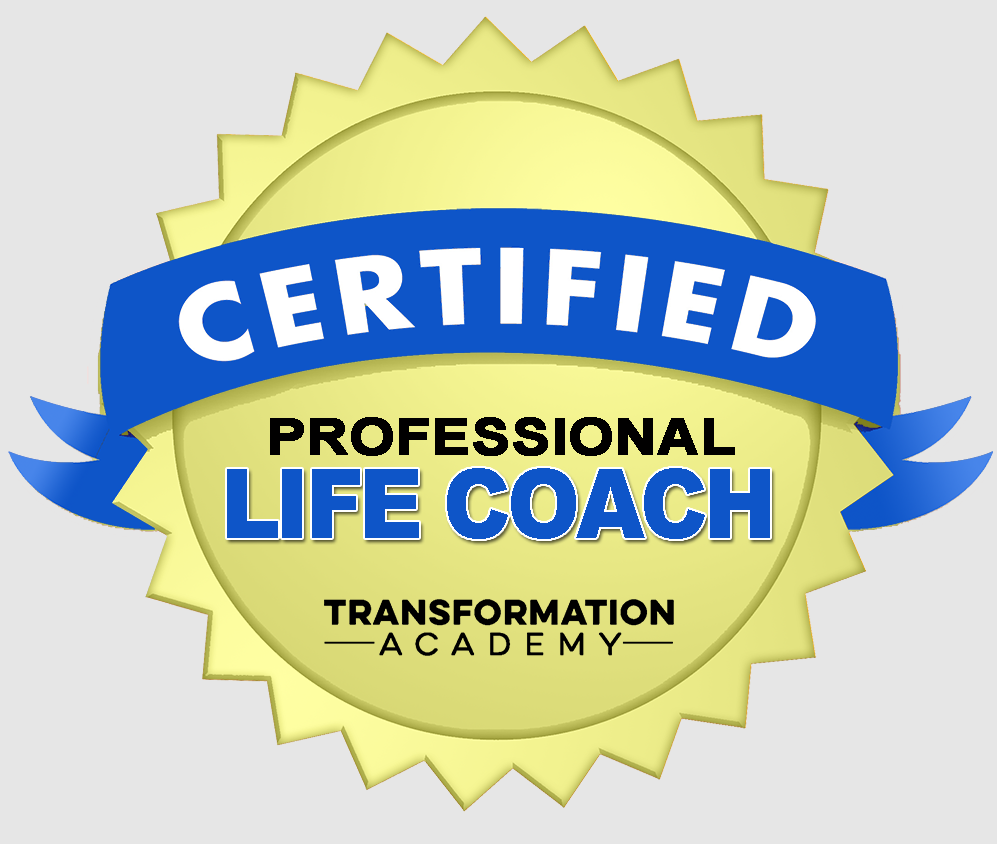
Certified Professional Life Coach
Transformation Academy™ · Certified February 2021
Advanced training in life coaching techniques, skills, and processes. This certification acknowledges completion of professional-level coaching training offered and endorsed by Transformation Academy™.
Women's Reclamation Facilitator
The Global Center for Facilitation
Joleen's facilitation title reflects the scope and focus of her work, coaching and educational facilitation for women navigating identity, boundaries, and personal growth.
Scope of Practice
Coaching & Educational Facilitation
Joleen is not a registered psychotherapist or mental health professional. Her work is coaching and educational in nature, designed for women who are stable and growth-oriented.
What I believe
The Convictions Behind the Work
Every woman already has the intelligence to move through this
She doesn't need to be fixed. She needs frameworks that don't collapse the second real life shows up.
Closure isn't always coming, and that's not the end
I learned this personally. You can move forward without the apology, the acknowledgment, or the verdict you needed.
The cost of staying still is always higher than it looks
Most women don't need more motivation. They need to see clearly what staying the same is actually costing them.
Complexity deserves to be honored, not resolved
You can hold contradictions. Boundaries and grief. Anger and love. You don't have to have it figured out to move forward.
Who I work with
The Women Who Find Their Way Here
They don't always arrive with the same story. But they tend to arrive with the same feeling, that they've been carrying something for a long time and they're ready to put some of it down.
Women moving through difficult experiences
Who are stable, growth-oriented, and ready to work, not in active crisis.
Women who experienced me in a workshop
And came looking for more, because something in the room felt different.
Women who don't have language yet
For what they've been through, and need someone to name it with them.